Here it is, already with all components:
For detailed photos from all PCBs and some from old good Fluke, just:
Continue reading “PCBs are here!”my ideas, projects, thoughts
Here it is, already with all components:
For detailed photos from all PCBs and some from old good Fluke, just:
Continue reading “PCBs are here!”This week JLCPCB produced my PCBs, and they are on the way to me. The total time from submitting files to “package shipped” was ~5 days.
Because I ordered 3 different PCBs (also 3 different colors), I was interested, how long it takes to produce each color…
So, I’ve made a graph, where you can see, how long in hours it takes for each step (blue and red was produced in Factory #4, the black one in factory #3)
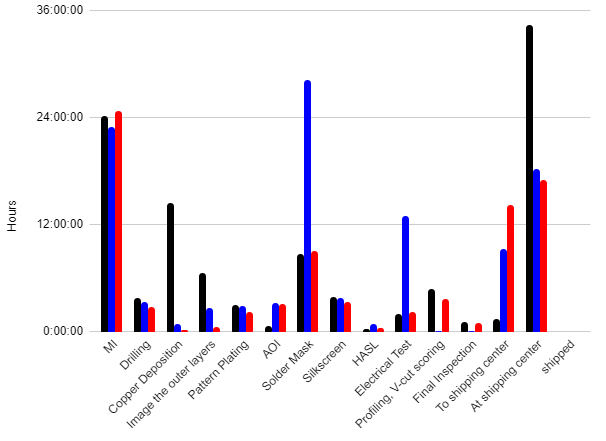
Interestingly, the blue one has long pauses after AOI and Flying-probe test, I hope everything Okay with the PCBs…
Continue reading “PCB on the way”I decided to order multiple PCB, to save some shipping cost, and also to test some my ideas too…
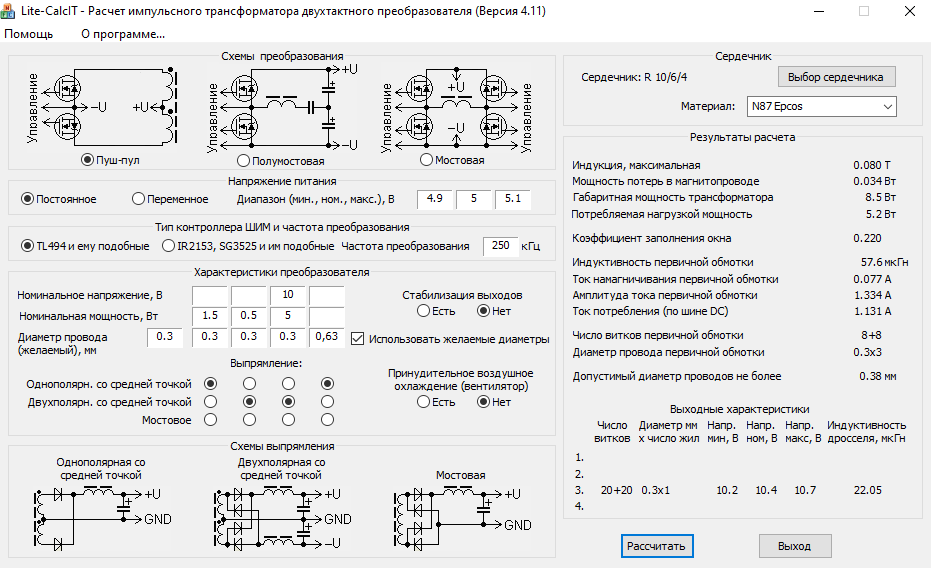
One of them – DC-DC push-pull converter on SN6505 to power up my VFD. I ordered some Epcos N87 rings, done some calculations in Lite-CalcIT, also researched some available info, and even found a nice book from Ron Lenk “Practical Design of Power Supplies”. One last thing I need to do before designing an awesome VFD control board – some tests. I haven’t done any custom magnetics before, so I’m very excited.
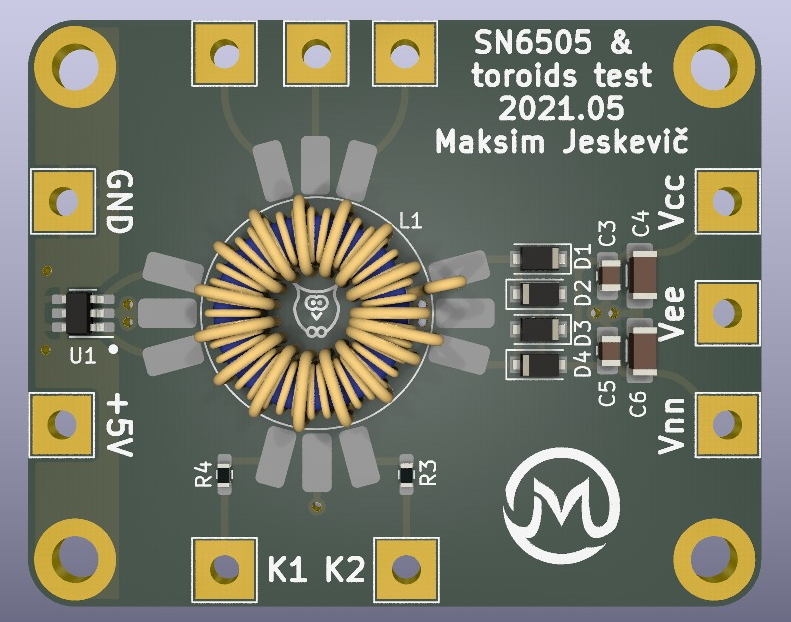
The resulting PCB is rather small (40x50mm), and has everything I need to test SN6505 and custom magnetics.
I have a problem.
I already prepared things for Phono Preamp (filled shopping card on Digikey and uploaded gerbers to JLCPCB). But to save on delivery, I wanted to order more PCBs at once…
So, I brought to life my old projects. Home audio system Badaboom.
I already bought some nice neat VFD displays from Futaba (FV651G) to bring some warm indication (and already done some tests to determine min. voltages).

Also I need one selector to switch between some sources.
I’ve planned:
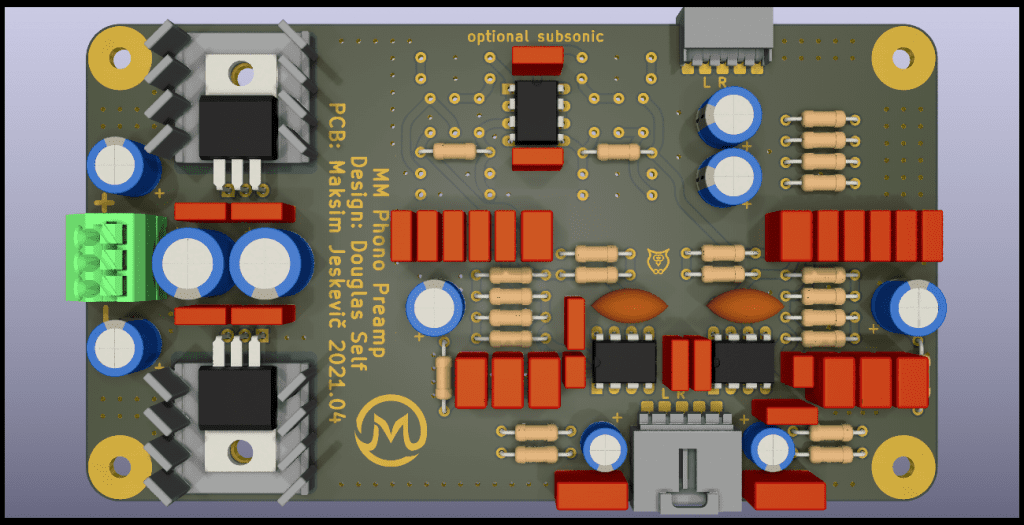
Finally, after long 8 years, I managed to repair my Revox B795. Interestingly, inside was enough place for a built-in Phono Preamp.
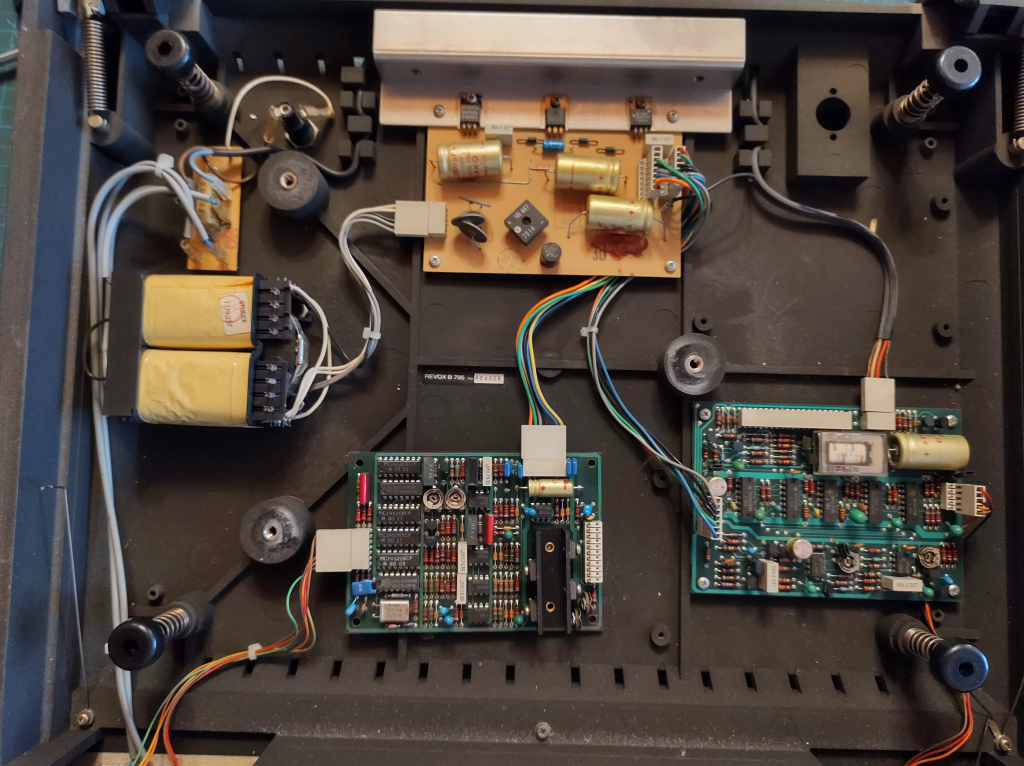
I used design idea from Douglas Self (published in “Small Signal Audio Design 2010”), added LDO’s ±12V, used only THT components and high-quality parts, and finally ready to order the BOM and PCB.